
Virtual Assistant Provider guide
Creating a Tier-1 Help Desk: How a Virtual Assistant Can Handle Routine Customer Inquiries, Process Refunds, and Escalate Complex Tickets Seamlessly
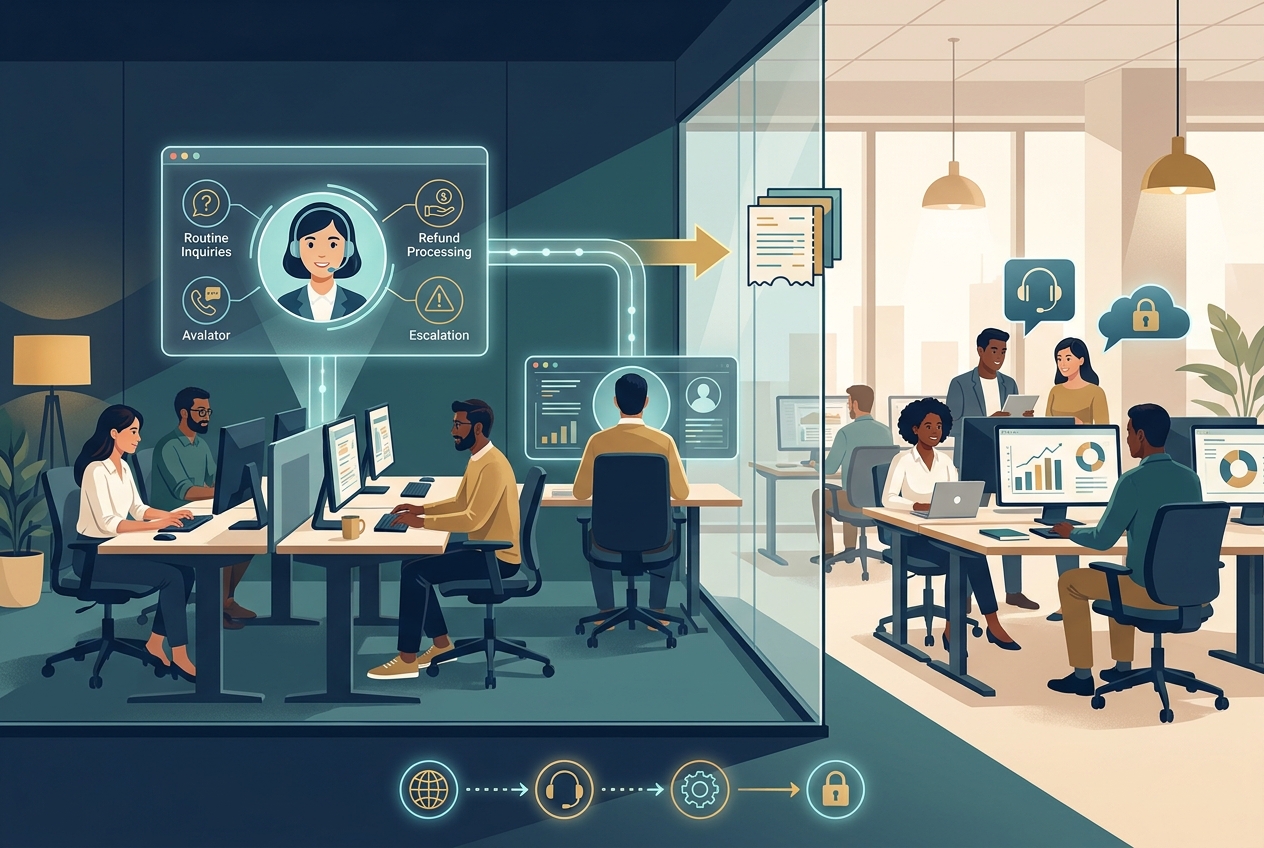
Discover how to build an efficient Tier-1 help desk by delegating routine inquiries, secure refunds, and seamless ticket escalations to a highly skilled, Philippines-based virtual assistant.
Key takeaways
- Define clear boundaries between in-scope routine inquiries and out-of-scope complex issues to empower your virtual assistant.
- Establish secure, rule-based thresholds and role-based access for processing customer refunds efficiently.
- Implement a frictionless escalation protocol using internal notes to ensure complex tickets are handed off without customer frustration.
The Evolution of Customer Support and the Rise of the Virtual Assistant
As customer expectations continue to soar, building a responsive, scalable support system is no longer a luxury for growing businesses—it is an absolute necessity. Today, on *August 20, 2026* (2026-08-20), business owners face the dual challenge of providing immediate answers to routine questions while reserving their core team's bandwidth for high-level problem-solving. This is where a well-structured Tier-1 help desk comes into play. For many modern operators, delegating this crucial first line of defense to a highly skilled, Philippines-based virtual assistant is the most strategic move available. The Philippines has long established itself as a premier hub for customer service excellence, combining exceptional English proficiency with a cultural affinity for empathy and hospitality. However, simply hiring a virtual assistant and handing over the keys to your inbox is a recipe for disaster. To truly unlock the potential of a remote support professional, business leaders must intentionally design a Tier-1 infrastructure. This infrastructure must clearly define what constitutes a routine inquiry, outline exact steps for processing financial transactions like refunds, and establish a frictionless protocol for escalating complex issues to specialized team members. By architecting this system correctly, companies can achieve round-the-clock coverage, dramatically reduce ticket resolution times, and ensure that every customer feels heard and valued from their very first interaction.
Defining the Scope of a Tier-1 Help Desk
The foundational step in creating an effective Tier-1 help desk is rigorously defining its scope. A Tier-1 virtual assistant should act as the triage nurse of your customer service operation, handling the high volume of low-complexity tickets that typically clog up a support queue. These inquiries generally include order status updates, basic product questions, password resets, shipping policy clarifications, and general company information requests. By clearly delineating these responsibilities, business owners prevent their virtual assistants from becoming overwhelmed by highly technical or sensitive issues that they are not yet equipped to solve. When working with a Philippines-based virtual assistant, clarity is paramount. Providing a comprehensive list of in-scope versus out-of-scope scenarios ensures that the assistant knows exactly where their authority begins and ends. For example, an in-scope task might be sending a customer a tracking link, whereas an out-of-scope task would be troubleshooting a deep software bug or handling a severe legal threat. Documenting these boundaries in a centralized knowledge base allows the virtual assistant to operate with confidence. They will not have to second-guess whether they should answer a ticket or pass it along, thereby increasing their efficiency and reducing decision fatigue. Furthermore, clearly defined scopes allow managers to measure performance accurately, tracking metrics like first-reply time and resolution rate on the exact types of tickets the assistant was hired to manage.
Standardizing Routine Customer Inquiries
Once the scope is defined, the next critical phase is standardizing the responses to routine customer inquiries. The goal here is not to turn your Philippines-based virtual assistant into a robotic autoresponder, but rather to provide them with a robust framework of templates and standard operating procedures (SOPs) that they can personalize. Creating a library of macro responses or canned replies within your help desk software is essential. These templates should cover the top twenty most frequently asked questions. However, training your virtual assistant to inject empathy and brand voice into these templates is what elevates the customer experience from average to exceptional. Business operators should spend time reviewing past tickets and identifying the best possible answers to common questions, then documenting the underlying logic of those answers. When a virtual assistant understands why a policy exists, they can explain it to a customer much more effectively than if they are simply copying and pasting text. Additionally, maintaining a dynamic internal knowledge base ensures that the virtual assistant always has access to the most up-to-date information regarding product launches, shipping delays, or marketing promotions. Regular weekly check-ins to update this documentation will empower the assistant to handle an ever-increasing percentage of the ticket volume autonomously, freeing up localized staff to focus on revenue-generating activities and strategic growth initiatives.
Establishing a Secure and Efficient Refund Process
Handling financial transactions, particularly refunds and returns, is often an area where business owners hesitate to delegate. However, a properly trained Tier-1 virtual assistant can process routine refunds securely and efficiently, provided the right guardrails are in place. The key is establishing strict, rule-based thresholds. For instance, a business operator might authorize their virtual assistant to process no-questions-asked refunds for any transaction under fifty dollars, provided the request falls within the standard thirty-day return window. Any request exceeding that monetary threshold or falling outside the timeframe would automatically require managerial approval. To execute this safely, the virtual assistant should be granted limited, role-based access permissions within your e-commerce platform and payment gateways. They should have the ability to initiate a refund without having access to sensitive routing numbers, full credit card details, or the ability to alter fundamental store settings. Furthermore, a clear SOP must dictate the communication surrounding a refund. The virtual assistant should be trained to gracefully attempt to save the sale—perhaps by offering store credit or a replacement product—before defaulting to a cash refund. If the refund is inevitable, they must know how to process it swiftly and send a reassuring confirmation email to the customer. Regular audits of refunded tickets will ensure compliance with these rules while building mutual trust between the business owner and the remote assistant.
The Art of Seamless Escalation
No matter how comprehensive your SOPs and training materials are, a Tier-1 virtual assistant will inevitably encounter tickets that exceed their technical knowledge, authorization level, or the defined scope of their role. This is where a seamless escalation protocol becomes the linchpin of a successful help desk. An effective escalation process ensures that complex issues, VIP customer complaints, or highly technical bugs are transferred to Tier-2 support or management without the customer feeling like they are being bounced around a bureaucratic maze. When a Philippines-based virtual assistant identifies an out-of-scope ticket, they must know exactly who to send it to and how to format the handover. Utilizing internal notes within the help desk software is crucial here. The virtual assistant should summarize the customer's issue, detail the troubleshooting steps they have already attempted, and highlight exactly what needs to be resolved. This prevents the Tier-2 agent from having to read through a massive thread of back-and-forth emails. Additionally, the virtual assistant should be trained on the appropriate external communication during an escalation. Instead of saying they do not know how to help, they should use empowering language, explaining that they are escalating the ticket to a senior technical specialist who is best equipped to resolve the specific issue immediately. This reassures the customer that their problem is being taken seriously and is moving toward a resolution, thereby maintaining trust and satisfaction even when the initial agent cannot solve the problem.
Onboarding and Continuous Training for Your Philippines-Based VA
The ultimate success of delegating a Tier-1 help desk relies heavily on the initial onboarding and continuous training provided to your Philippines-based virtual assistant. Recognizing cultural nuances is an important aspect of this relationship. Filipino professionals are widely celebrated for their strong work ethic, politeness, and dedication to customer harmony. However, this deep-seated respect for authority can sometimes result in a hesitation to ask clarifying questions for fear of bothering the business owner. Managers must proactively foster an environment where asking questions is not just welcomed, but required. During the first thirty to sixty days, operators should implement a daily quality assurance review. This involves reading through a random sampling of the virtual assistant's handled tickets to provide constructive feedback on tone, accuracy, and efficiency. Shadowing sessions, where the assistant watches the business owner handle tickets via screen share, followed by reverse-shadowing, where the owner watches the assistant, are incredibly effective training methods. Over time, as the virtual assistant masters the routine inquiries, processing of refunds, and escalation protocols, they will become an indispensable asset. They will transition from merely executing tasks to actively identifying trends in customer complaints and suggesting improvements to the product or service. By investing time in thorough training and treating the remote virtual assistant as a core member of the team, businesses can build a resilient, world-class customer support operation that scales effortlessly with their growth.
Further reading
Provider questions to copy
"Can you show how this role is screened, trained, checked each week, and replaced if fit is poor?"
"Can we start with a small task list before we expand the role?"
FAQ
What exactly is a Tier-1 help desk?
A Tier-1 help desk serves as the first line of customer support, handling routine, high-volume inquiries like order tracking, basic product questions, and password resets, effectively filtering out simple issues so specialized teams can focus on complex problems.
How can a virtual assistant process refunds securely?
By utilizing role-based access permissions in your e-commerce platforms and adhering to strict, rule-based thresholds—such as maximum dollar amounts and specific timeframes—that are clearly documented in your standard operating procedures.
What is the best way to train a Philippines-based virtual assistant for customer support?
Provide comprehensive SOPs, maintain an updated internal knowledge base, encourage clarifying questions to bridge cultural communication styles, and utilize screen-share shadowing alongside daily quality assurance reviews during the initial onboarding phase.
Sources and notes
These sources are included as planning references. They do not replace legal, tax, security, or HR advice.